Recovery From Heroin Abuse is Possible

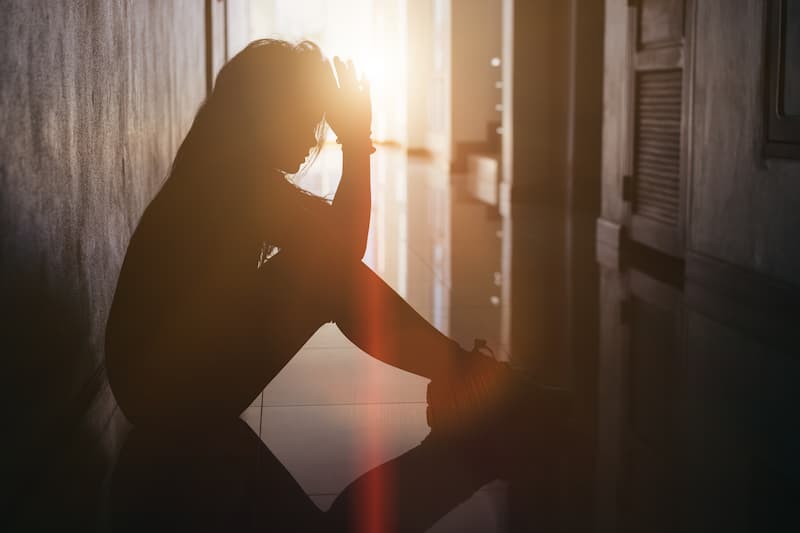 Heroin is a dangerously addictive opioid and one of the deadliest drugs in the world. While any single use might have the potential to kill someone, compulsive heroin use can exact its own devastating toll on a person’s mental and physical health.
Nearly 917,000 people in the United States in 2017, ages 12 and older, reported using heroin in the past year. Even so, outside of the medical and treatment communities, many aren’t fully educated on its effects on the mind and body or how to properly help someone who is struggling with heroin addiction.
Heroin is a dangerously addictive opioid and one of the deadliest drugs in the world. While any single use might have the potential to kill someone, compulsive heroin use can exact its own devastating toll on a person’s mental and physical health.
Nearly 917,000 people in the United States in 2017, ages 12 and older, reported using heroin in the past year. Even so, outside of the medical and treatment communities, many aren’t fully educated on its effects on the mind and body or how to properly help someone who is struggling with heroin addiction.
Learn how you can recover from addiction.
Who Answers? This site is designed to shed light on the nature of heroin addiction, the processes of detoxification and withdrawal, drug treatment options and what aftercare means for continuing a life heroin-free. If you or someone you love is suffering from addiction, the life-saving information you need may be found within these pages. For many people, recovery from heroin addiction begins with detoxification, the process of cleansing the body of the harmful toxins found abused substances. Depending on the level of a person’s physical dependence, acute heroin withdrawal symptoms may be experienced during detox. Although heroin withdrawal can be painful and difficult to endure, it is not generally life-threatening. Some of the more common withdrawal symptoms include anxiety, sleeplessness, chills, sweats, muscle aches and pains, and gastrointestinal distress. Because of the distress of such symptoms, a person struggling to quit can find themselves using again and further cement the compulsive drug patterns of addiction. Though it can be difficult to break the cycle of addiction, recovery is possible. Every day, thousands of people enter into rehabilitation programs and enlist the help of professionals to help treat substance abuse and find freedom from addiction. If you or someone close to you is looking to break the cycle of heroin addiction, contact one of our heroin addiction treatment professionals today at 1-888-496-8059 Who Answers?.
Insurance Providers For Heroin Treatment
Heroin Rehabilitation Directory
Select a state to learn more about your treatment options.- Alabama
- Alaska
- Arizona
- Arkansas
- California
- Colorado
- Connecticut
- Delaware
- District Of Columbia
- Florida
- Georgia
- Hawaii
- Idaho
- Illinois
- Indiana
- Iowa
- Kansas
- Kentucky
- Louisiana
- Maine
- Maryland
- Massachusetts
- Michigan
- Minnesota
- Mississippi
- Missouri
- Montana
- Nebraska
- Nevada
- New Hampshire
- New Jersey
- New Mexico
- New York
- North Carolina
- North Dakota
- Ohio
- Oklahoma
- Oregon
- Pennsylvania
- Rhode Island
- South Carolina
- South Dakota
- Tennessee
- Texas
- Utah
- Vermont
- Virginia
- Washington
- West Virginia
- Wisconsin
- Wyoming
Help for Heroin Addiction
Do you know someone suffering from heroin addiction? Help is available. To find out more, please choose the selection that applies to you or the person suffering from addiction:
Fill out the form below to be contacted.
Repair the damage and start fresh today!
Or call this number to speak with a caring advisor now.
1-888-496-8059 Who Answers?
Find Treatment in Your Area
Search Directory
- Alabama
- Alaska
- Arizona
- Arkansas
- California
- Colorado
- Connecticut
- Delaware
- District Of Columbia
- Florida
- Georgia
- Hawaii
- Idaho
- Illinois
- Indiana
- Iowa
- Kansas
- Kentucky
- Louisiana
- Maine
- Maryland
- Massachusetts
- Michigan
- Minnesota
- Mississippi
- Missouri
- Montana
- Nebraska
- Nevada
- New Hampshire
- New Jersey
- New Mexico
- New York
- North Carolina
- North Dakota
- Ohio
- Oklahoma
- Oregon
- Pennsylvania
- Rhode Island
- South Carolina
- South Dakota
- Tennessee
- Texas
- Utah
- Vermont
- Virginia
- Washington
- West Virginia
- Wisconsin
- Wyoming